Millennium Post · 11 February 2026
Mayasabha: The 35mm Isolation Ward
A defunct cinema hall turned into an architecture of control
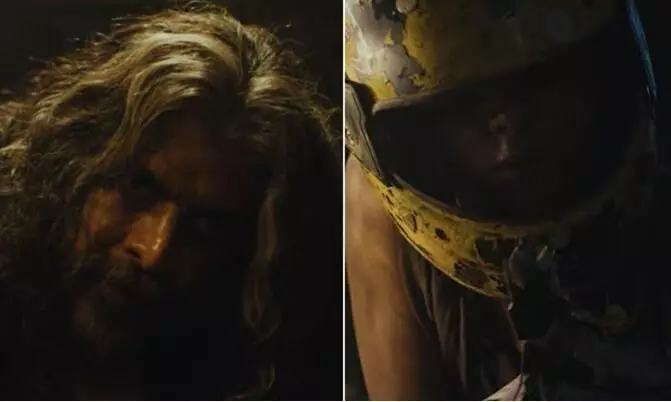
In the stagnant air of 'Mayasabha', time doesn't pass; it accumulates. 'Mayasabha', a defunct cinema hall that doubles as a home, functions as a piece of encasement architecture, where trauma is a material weight. At the centre of this rot is Parameshwar Khanna, the failed producer who forgot to yell 'cut'. His bankruptcy forces his son to inhabit the sets of a movie that will never be released.
The most tragic 'casting' is reserved for the feminine. Jaymala, the mother, exists only as a framed film poster. As a '35mm ghost', she is the only source of colour in a grey world, yet she is immobile.
This architecture of encasement is the film's central trap. Every object is a cage, and every cage carries history. The architecture is designed to hold people exactly where they are.
We see this most clearly in Vashusen's helmet. It is not permanent skin. He reaches for it only when Parmeshwar becomes a threat, retreating into the yellow plastic as a sensory shield against a father who has spent decades muffling his son's identity.
What finally distinguishes Vashu from Parameshwar isn't courage, but imagination. Where his father clung to obscurity, Vashu dreams of excess clarity from the start. His ambition for a Rolls-Royce painted yellow, inside and out, isn't materialistic but architectural transparency. He wants a world where the inside matches the outside.
When the smog thins, Vashu is left suspended between a structure he survived and a world the film refuses to imagine for him.
All Film Analysis · Original Source