Free Press Journal · 15 February 2026
Mayasabha: Living in the Projection Light
The layered character of Vashusen in Mayasabha
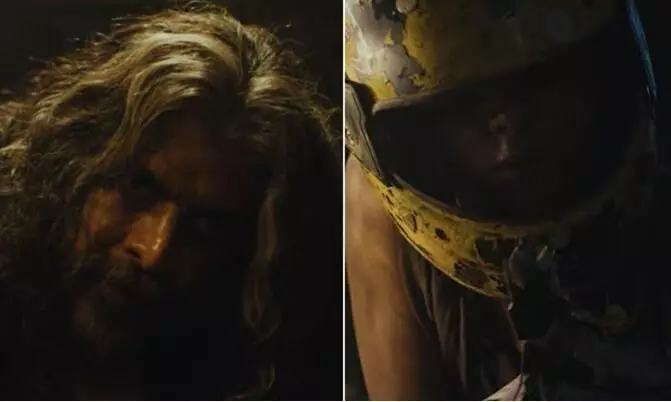
Some sons inherit land. Some inherit debt. Vashusen (Vashu) inherits a story.
Mayasabha is not about a son trapped by a father. It is about a son trapped by a narrative that predates him. Vashu never meets Jaymala or Sohrab, yet they orbit his life like twin suns he has been warned never to look at. His childhood is not built on memory, but on narration.
Mayasabha's cinema hall is not a house. It is a mausoleum with tickets still on sale. Posters fade but never fall. Smog lingers like a thought refusing to die. Vashu is on night duty, preserving evidence like a watchman guarding heartbreak that was never his.
The yellow helmet is not cowardice, it is filtration. Living inside someone else's bitterness requires a visor. The helmet narrows sight, muffles sound, and controls exposure. It is a private atmosphere inside a public ruin.
Parmeshwar, his father, sprays DDT obsessively, as if mosquitoes carry contamination. He fears memory, not insects. Unable to control desire, reputation, or abandonment, he over-controls air. But trauma does not evaporate with pesticide. It settles. Vashu grows up breathing what his father tried to kill.
Gold, too, shifts meaning. It is never about greed. For Vashu, gold is proof of his father not being entirely delusional — that years of isolation had substance. The child's need is simple and brutal: "Tell me this was not pointless."
The ending refuses spectacle. Instead of revelation, we get atmosphere. Instead of exposure, we get smoke. Vashu does not tear down the illusion he was raised inside. He does something gentler and more radical. He lets it remain ambiguous. But the boy who lived inside the projection light walks into unfiltered air.
All Film Analysis · Original Source